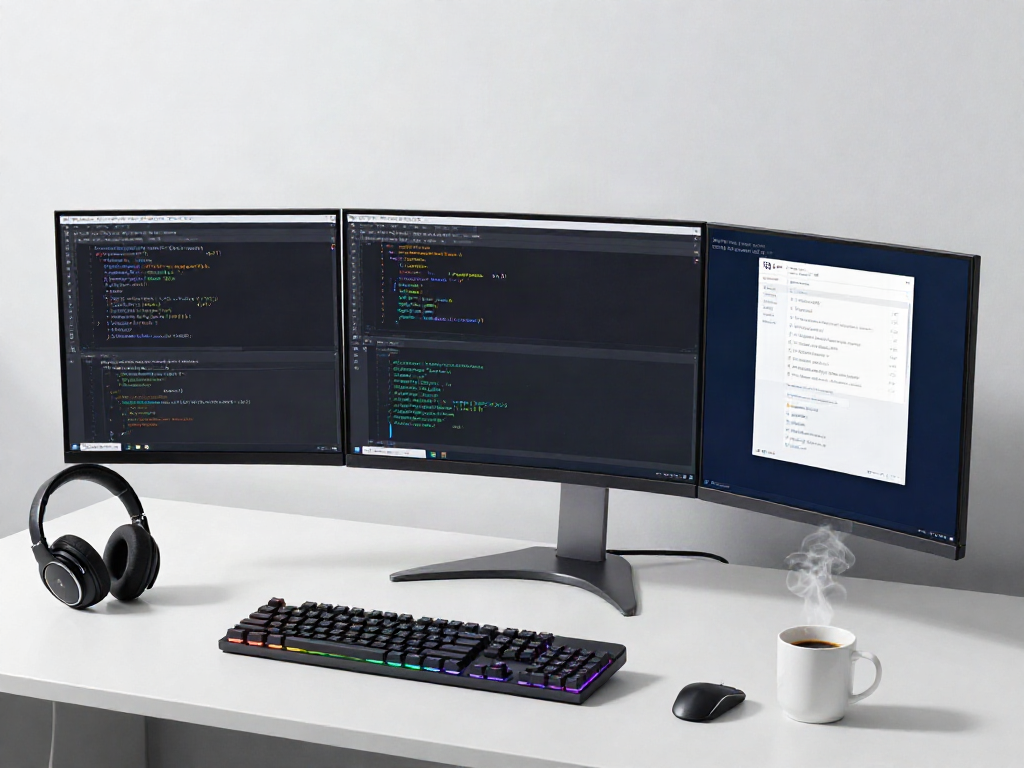

The Importance of Building Internal Tools with AI
In an era where efficiency is paramount, businesses are seeking innovative solutions to streamline their operations and improve productivity. One such solution is the development of internal tools powered by artificial intelligence (AI). These tools not only replace tedious manual processes, such as re-keying spreadsheets, but also empower teams to focus on strategic decision-making rather than administrative tasks. By leveraging AI, organizations can enhance performance, foster collaboration, and create a more agile work environment. For a deeper dive into how to build internal tools with AI, this article explores key insights and actionable strategies to create effective tools that meet specific business needs.
Why Businesses Need Customized Internal Solutions
Every organization is unique, with its own workflows, challenges, and requirements. Off-the-shelf software solutions often fail to address specific operational needs, resulting in inefficiencies. Customized internal tools allow businesses to tailor functionalities and workflows that align with their processes. This personalization not only enhances employee satisfaction but also significantly increases productivity. By focusing on bespoke solutions, companies can eliminate roadblocks and streamline internal communications.
Understanding AI’s Role in Streamlining Processes
AI technology is revolutionizing the way internal tools operate. By integrating AI capabilities into internal tools, businesses can automate repetitive tasks, analyze large datasets, and generate insights that inform decision-making. For example, AI can help in automating follow-up reminders, managing schedules, or drafting responses based on previous interactions. Moreover, AI-driven insights can lead to data-informed strategies that further refine business operations.
Challenges Faced in Traditional Tool Development
Developing internal tools can be a daunting task, especially for organizations with limited resources or technical expertise. Traditional software development processes are often time-consuming and costly, involving multiple steps from requirement gathering to coding, testing, and deployment. Additionally, there is often a knowledge gap, with teams lacking the technical skills required to build effective tools. This is where no-code platforms and AI can bridge the gap, enabling non-technical staff to create the solutions they need.
Step-by-Step Guide to Building Internal Tools with AI
Building internal tools is no longer the domain of seasoned developers. With the right approach, any team can create effective internal business-process tools that streamline operations. Here is a step-by-step guide to help teams embark on this journey.
Identifying the Right Problem to Solve
The first step in the development process is identifying a specific problem that requires a solution. Teams should hold brainstorming sessions to discuss pain points and bottlenecks in their workflows. By focusing on one issue at a time, such as managing shipping notifications or tracking responses to customer inquiries, teams can build targeted tools that deliver immediate benefits.
Gathering Requirements and User Feedback
Once the problem is identified, it’s crucial to gather requirements from users who will interact with the tool. Engaging stakeholders early in the process helps ensure that the final product meets the needs of its intended users. Surveys, interviews, and collaborative workshops can provide invaluable insights into what features are necessary and how the tool should function.
Designing a Simple Workflow for Implementation
After gathering requirements, the next step is to design a simple workflow that guides users through the tool's functionalities. This involves outlining the essential steps in the process, ensuring that the tool is user-friendly and intuitive. Tools like flowcharts can help visualize the workflow, making it easier to refine and optimize before development begins.
Examples of Effective Internal Tools Built with AI
To further illustrate the value of AI-driven internal tools, let's examine a few real-world examples of how organizations have successfully implemented these solutions.
Case Study: Shipping Notifications Management System
One innovative case is the creation of a shipping notifications management system. This tool automatically sends out notifications to customers when their orders are dispatched, providing an estimated time of arrival (ETA) based on real-time data. The tool uses AI to draft personalized messages, including the name and photo of the delivery personnel, which enhances customer experience and reduces inquiries about delivery status.
Transforming Customer Response Times with AI Agents
Another impactful example involves the use of AI chatbots for managing customer inquiries. These AI agents can pull data from existing ticketing systems and automatically generate responses to common questions, significantly reducing response times. This not only improves customer satisfaction but also allows human agents to focus on more complex issues.
Improving Internal Communication with Follow-Up Trackers
Internal communication can often fall victim to the chaos of busy schedules. Implementing follow-up trackers enables teams to monitor ongoing conversations and deadlines effectively. By utilizing AI to scan shared inboxes for pending threads, teams can receive automated reminders to follow up on conversations, ensuring that important discussions do not slip through the cracks.
Best Practices for Shipping Tools Safely and Effectively
When it comes to deploying internal tools, maintaining governance and oversight is essential to ensure success. Following best practices can significantly reduce risks associated with tool development and implementation.
Ensuring Governance in Tool Development
Governance refers to the frameworks and processes that dictate how tools are developed, managed, and maintained. Establishing clear guidelines for tool development helps teams adhere to best practices, ensuring compliance and security. This includes setting up access controls, maintaining documentation, and regularly reviewing tool performance against organizational goals.
Monitoring and Maintaining Tools Post-Implementation
The work doesn't end once a tool is deployed. Continuous monitoring is essential to assess its effectiveness and identify areas for improvement. Regularly reviewing user feedback and tool performance data can help teams make informed decisions about necessary adjustments or upgrades. This proactive approach ensures the tool continues to meet user needs.
Collecting Feedback for Continuous Improvement
Feedback is a critical component of any tool's lifecycle. Creating channels for users to provide ongoing feedback encourages a culture of continuous improvement. Teams can implement regular check-ins or surveys to gather insights on what's working well and what needs enhancement, ensuring that the tool remains relevant as business processes evolve.
Future Trends in AI-Powered Internal Tool Development
As technology continues to advance, the landscape of internal tool development is likely to evolve dramatically over the coming years. Below, we explore emerging trends that organizations should keep an eye on.
Predicting AI’s Evolving Role in Business Processes
AI is expected to become increasingly integral to business processes, transitioning from merely supporting tasks to driving strategic initiatives. Organizations that embrace this shift will gain a competitive advantage, as AI can provide data-driven insights that enhance decision-making. Future internal tools will likely leverage advanced machine learning algorithms to analyze performance metrics and recommend actionable strategies.
Emerging Technologies to Watch in 2026
Some emerging technologies set to influence internal tool development include Natural Language Processing (NLP) for better user interaction, real-time data analytics for decision support, and integration with the Internet of Things (IoT) for enhanced operational visibility. Keeping abreast of these technologies will help organizations stay ahead of the curve.
Preparing Your Team for a Tech-Driven Future
With the rapid advancement of technology, it's crucial for organizations to prepare their teams for a tech-driven future. This includes investing in training and development programs that equip employees with the skills needed to leverage AI tools effectively. Cultivating a culture that embraces innovation and adaptability will be key for organizations striving for long-term success.
What are the first steps to start building internal tools with AI?
The first steps in building internal tools with AI include identifying specific business challenges, gathering user feedback, and designing workflows that reflect user needs. Leveraging no-code platforms can accelerate development, allowing teams to focus on problem-solving rather than technical hurdles.
How can small businesses benefit from internal tools?
Small businesses can greatly benefit from internal tools by streamlining processes, improving communication, and automating repetitive tasks. These efficiencies can lead to cost savings, enabling small businesses to compete on a larger scale by enhancing their operational capabilities.
What tools are available for non-coders to build with AI?
There are several no-code and low-code platforms available that empower non-coders to build AI-driven internal tools. Examples include Bubble, Zapier, and Airtable, which offer user-friendly interfaces for creating customized solutions without requiring extensive programming knowledge.
How can AI improve internal communication?
AI can enhance internal communication by facilitating real-time messaging, automating routine updates, and providing analytical insights into team dynamics. By streamlining communication channels, AI helps reduce information overload and fosters clearer, more efficient exchanges among team members.
What metrics should we track after implementation?
After implementing internal tools, organizations should track metrics such as user engagement, task completion rates, and feedback scores. Monitoring these Key Performance Indicators (KPIs) helps assess the tool's effectiveness and guides continuous improvement initiatives.