
Understanding Wärmepumpen: Types and Benefits
When considering a modern heating solution for your home, a Wärmepumpe, or heat pump, stands out as an efficient and eco-friendly option. As energy costs continue to rise and the focus on sustainability becomes more critical, understanding the types of Wärmepumpen and their benefits is paramount for homeowners looking to invest in long-term heating solutions. Additionally, the year 2026 is seeing advancements that make these systems even more appealing. When exploring options, wärmepumpe kaufen can lead you to comprehensive insights on selections that are not only cost-effective but also energy-efficient.
What is a Wärmepumpe?
A Wärmepumpe is a device that transfers heat from one place to another, providing efficient heating and cooling for residential spaces. Unlike conventional heating systems that generate heat through combustion, heat pumps utilize refrigeration principles to extract heat from external sources, such as air or ground, and transfer it indoors. This process makes Wärmepumpen highly efficient, often producing several units of heat for every unit of electricity consumed.
Types of Wärmepumpen: Air vs. Ground Source
There are primarily two types of Wärmepumpen—air source and ground source. Air source heat pumps extract heat from the outside air, making them easier to install and generally less expensive upfront. Ground source heat pumps, also known as geothermal systems, draw heat from the earth, providing stable temperatures year-round but requiring a more complex installation process and higher initial investment.
Benefits of Using a Wärmepumpe for Your Home
- Energy Efficiency: Wärmepumpen can be up to three to four times more efficient than traditional heating systems, enabling significant savings on energy bills.
- Reduced Carbon Footprint: By utilizing renewable heat sources, Wärmepumpen contribute to lower greenhouse gas emissions, making them an environmentally friendly choice.
- Dual Functionality: Many Wärmepumpen can reverse their operation, providing both heating and cooling, thus serving as year-round climate control solutions.
- Government Incentives: Increasingly, governments offer subsidies and incentives for homeowners installing renewable energy systems, making the initial purchase more accessible.
Factors to Consider When Buying a Wärmepumpe
Assessing Your Home’s Heating Needs
Before purchasing a Wärmepumpe, it’s crucial to assess your home’s specific heating and cooling needs. Factors such as the size of your home, insulation quality, and local climate play a significant role in determining the type and capacity of the heat pump you should choose. Consulting with a heating professional can provide insights tailored to your situation.
Energy Efficiency Ratings Explained
Understanding energy efficiency ratings is essential in evaluating different Wärmepumpen. Look for the Seasonal Energy Efficiency Ratio (SEER) for cooling efficiency and the Heating Seasonal Performance Factor (HSPF) for heating efficiency. Higher numbers indicate more efficient units, which can lead to greater savings on your energy bills over time.
Understanding Installation Costs and Implications
The installation costs of a Wärmepumpe can vary significantly based on the type and complexity of installation. While air source models may be less expensive to install, ground source units involve excavation and ground loop installation, leading to higher costs. It’s wise to obtain multiple quotes from certified installers to get a clear picture of potential expenses.
Cost Analysis of Wärmepumpe Kaufen
Initial Purchase Price vs. Long-Term Savings
The initial purchase price of a Wärmepumpe, including installation, can range from €10,000 to €25,000 depending on the model and property requirements. However, these costs should be weighed against long-term savings on energy bills and potential maintenance costs, which are generally lower for heat pumps compared to traditional systems.
Potential Incentives and Financing Options
In many regions, government incentives such as grants, tax rebates, and financing options can significantly reduce the net cost of purchasing a Wärmepumpe. Research local programs to find financial support that can make this investment more affordable.
Cost Comparison with Traditional Heating Methods
When comparing Wärmepumpen with traditional heating methods such as gas or oil heating, it’s essential to consider not just the purchase and installation costs but also ongoing operating costs. Wärmepumpen typically exhibit lower fuel costs, providing substantial savings over a heating season, particularly in areas with high energy prices.
Installation and Maintenance of Your Wärmepumpe
Choosing a Qualified Installer
Selecting a qualified installer is critical to ensuring the efficient operation of your Wärmepumpe. Look for certifications from recognized industry organizations and positive reviews from previous clients. A reputable installer can provide valuable advice on system selection and ensure proper installation which is vital for system efficiency and longevity.
Routine Maintenance Tips for Optimal Efficiency
To keep your Wärmepumpe running at peak efficiency, regular maintenance is key. This includes cleaning or replacing filters, checking refrigerant levels, and ensuring all components are functioning correctly. Scheduling annual professional maintenance can help detect potential issues before they become costly repairs.
Common Issues and Troubleshooting
Occasionally, you may encounter issues with your Wärmepumpe, such as insufficient heating or cooling, unusual noises, or frequent cycling. Familiarizing yourself with common problems can help you troubleshoot minor issues or identify when it’s time to call a professional for help.
Future Trends in Wärmepumpen Technology
Innovations in Energy Efficiency for 2026
The technology behind Wärmepumpen continues to evolve, with 2026 expected to see significant advancements in energy efficiency. Innovations such as improved compressor technologies and the integration of smart controls will enable heat pumps to operate more efficiently and adaptively, reducing energy consumption and enhancing comfort.
Government Regulations Impacting Wärmepumpe Buying
As the push for greener technologies intensifies, government regulations around energy efficiency and emissions are likely to become stricter. Staying informed on these regulations can help homeowners anticipate changes that might affect the installation and operation of Wärmepumpen.
Evolution of Smart Home Integration with Wärmepumpen
Smart home technology is increasingly becoming integrated with Wärmepumpen, allowing homeowners to monitor and control their heating systems remotely. This connectivity not only enhances convenience but can lead to further energy savings through optimized heating schedules and real-time performance tracking.
What Are the Environmental Benefits of Choosing a Wärmepumpe?
By opting for a Wärmepumpe, homeowners can significantly reduce their carbon footprint. As they primarily rely on renewable thermal energy from the air or ground, they contribute to decreased dependency on fossil fuels, aiding in global efforts to combat climate change.
How to Assess the Best Time to Buy a Wärmepumpe?
The decision on when to purchase a Wärmepumpe often hinges on market conditions, available incentives, and personal circumstances such as upcoming renovations or moving plans. Keeping an eye on energy prices, government policies, and technological advancements can guide you to make a timely and informed purchase.
Related Posts

10 Essential Tips for a Thriving Home and Garden Oasis
Understanding Home and Garden Basics When it comes to home…
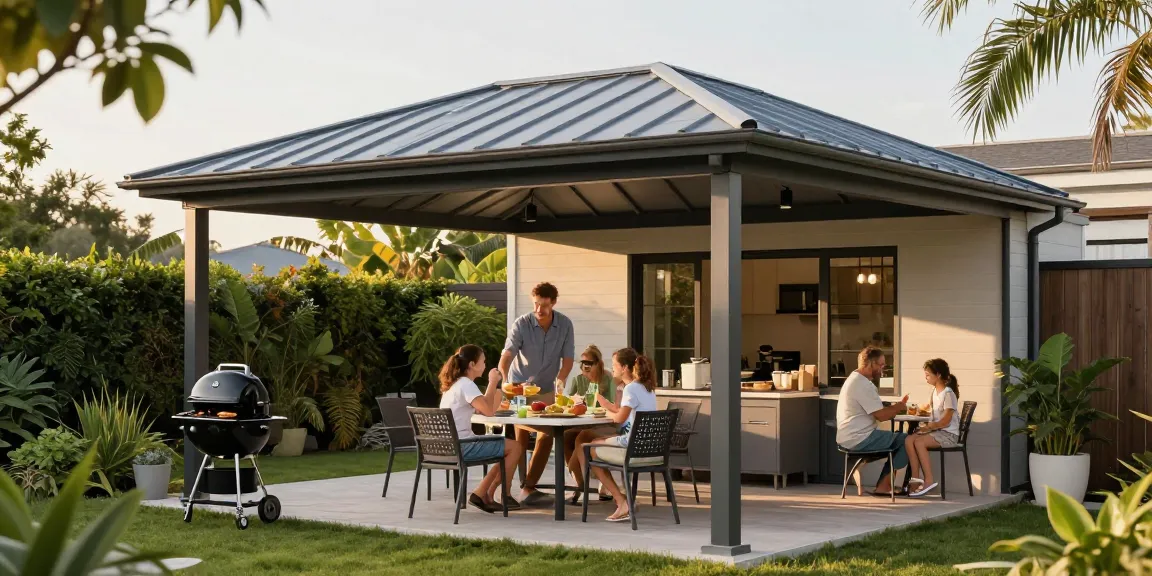
Die häufigsten Fehler bei der Terrassenüberdachung und schnelle Lösungen 2026
Einführung in die Terrassenüberdachung Die Terrassenüberdachung ist eine wunderbare Möglichkeit,…

Elegant Home and Garden Ideas for Inspired Living Spaces
Essential Home Maintenance Tips Homeownership comes with its fair share…